About us

Our history and method

Über uns

The knowledge and experience of our team is based on many years of clinical practice at the Medical University of Graz Paediatric Hospital. Founded by Prof. Dr. med. Marguerite Dunitz-Scheer in 1981, the department of psychosomatic medicine within the hospital at the Medical University of Graz became specialized in the ever more frequent cases of feeding and eating behaviour disorders, such as tube dependency or picky eating. The scientific research that eventually led to the establishment of NoTube was largely performed by the department’s interdisciplinary team. Based on their previously established research, Dr. Marguerite Dunitz-Scheer and Dr. Peter Scheer developed their unique method to help children with severe eating disorders, particularly those with tube dependency. This method, also utilized at NoTube, has been successfully implemented to heal several thousand patients who presented with the unwelcome side effects of tube dependency and other early childhood eating behaviour disorders.

Do you have questions?

Get in touch with us

Über uns
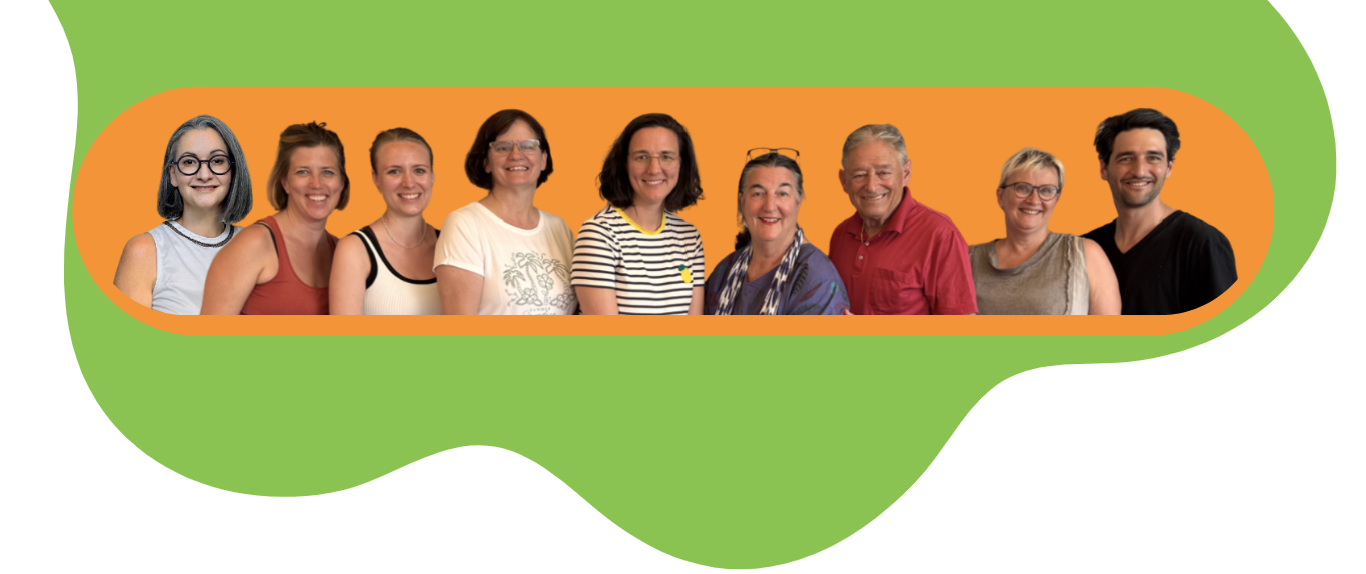
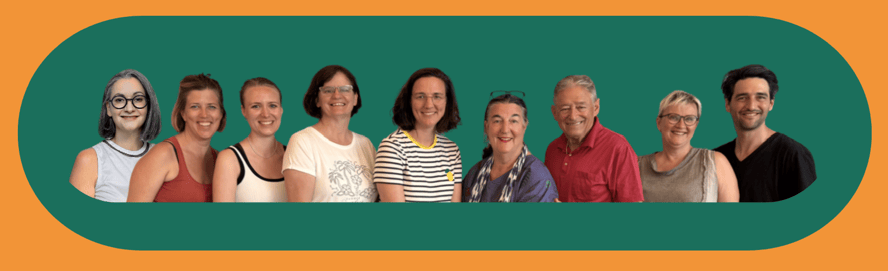
Team2023

Our method is founded on insights of developmental psychology from daily practice and analysis of the early childhood learning process as well as the assumption that every child is equipped with a genetically-based potential for learning. This means that for hundreds of years, children have not learned to eat because someone taught them, but rather because each child has an innate ability to meet this need independently. Even while still in the womb, babies are able to drink, suck, and swallow amniotic fluid.

In the last three decades of experience, we have identified two basic principles for all treatment methods of the Graz Model:
  • on a physical level: allow the child to experience the feeling of hunger (somatic approach)

  • on a developmental level: strengthen the child’s sense of autonomy (psychological approach)

These two simple goals must be understood and respected, in different ways, by both the child and the caregivers. Every family and every child is different. Although every wean is founded on the same philosophy, the weaning process must be individually tailored to them. The most important thing is to view things from the perspective of the child.

NoTube | Graz Model of Tube Weaning

The founders of NoTube, Univ. Prof. Dr. med. Marguerite Dunitz-Scheer and Univ. Prof. Dr. med. Peter Scheer have more than 30 years of clinical experience in the treatment of  early childhood eating behavior disorders. They developed a highly effective and internationally recognized treatment model, the “Graz Model of Tube Weaning.” This comprehensive model is built on an interdisciplinary, child-focused approach and takes into account the physical, sensory, and psychological challenges of the child. In order to promote independence, parents and other caretakers also learn how to support the child in a successful transition to normal eating behaviour. NoTube specializes in providing consultation, treatment, and therapy for tube dependency and other eating behaviour disorders in infants and children, such as highly selective eating (picky eating), oral aversion, and infantile anorexia. 

NoTube specializes in the treatment of tube-fed children.

ONLINE

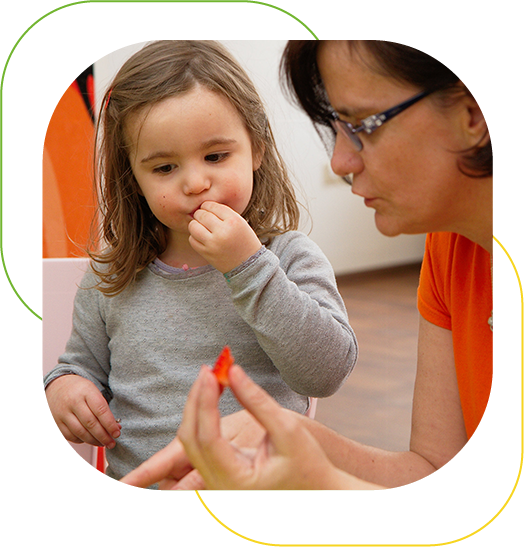
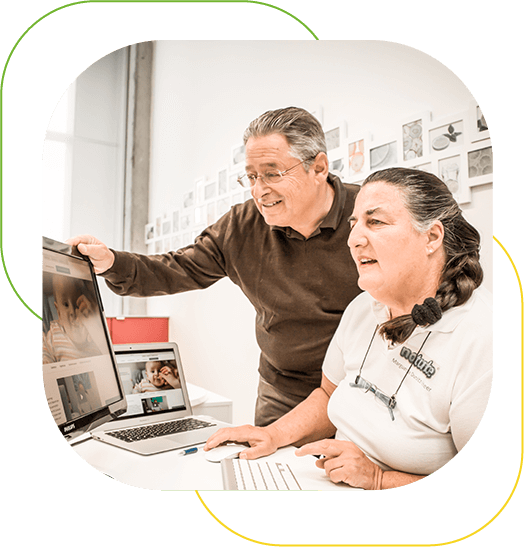
NoTube’s telemedical programs offer web-based consultation for parents and their children. The idea is that the children remain in their familiar surroundings where they feel the most comfortable – at home! This not only leads to a high success rate but also reduces the risks of hospital related infections and further traumatizing experiences – and it is even less expensive.

Evaluate your child's needs

rundung-bild-linien-ueberuns-telemed
rundung-bild-linien39